Thursday, 15 February 2018

Wednesday, 24 January 2018
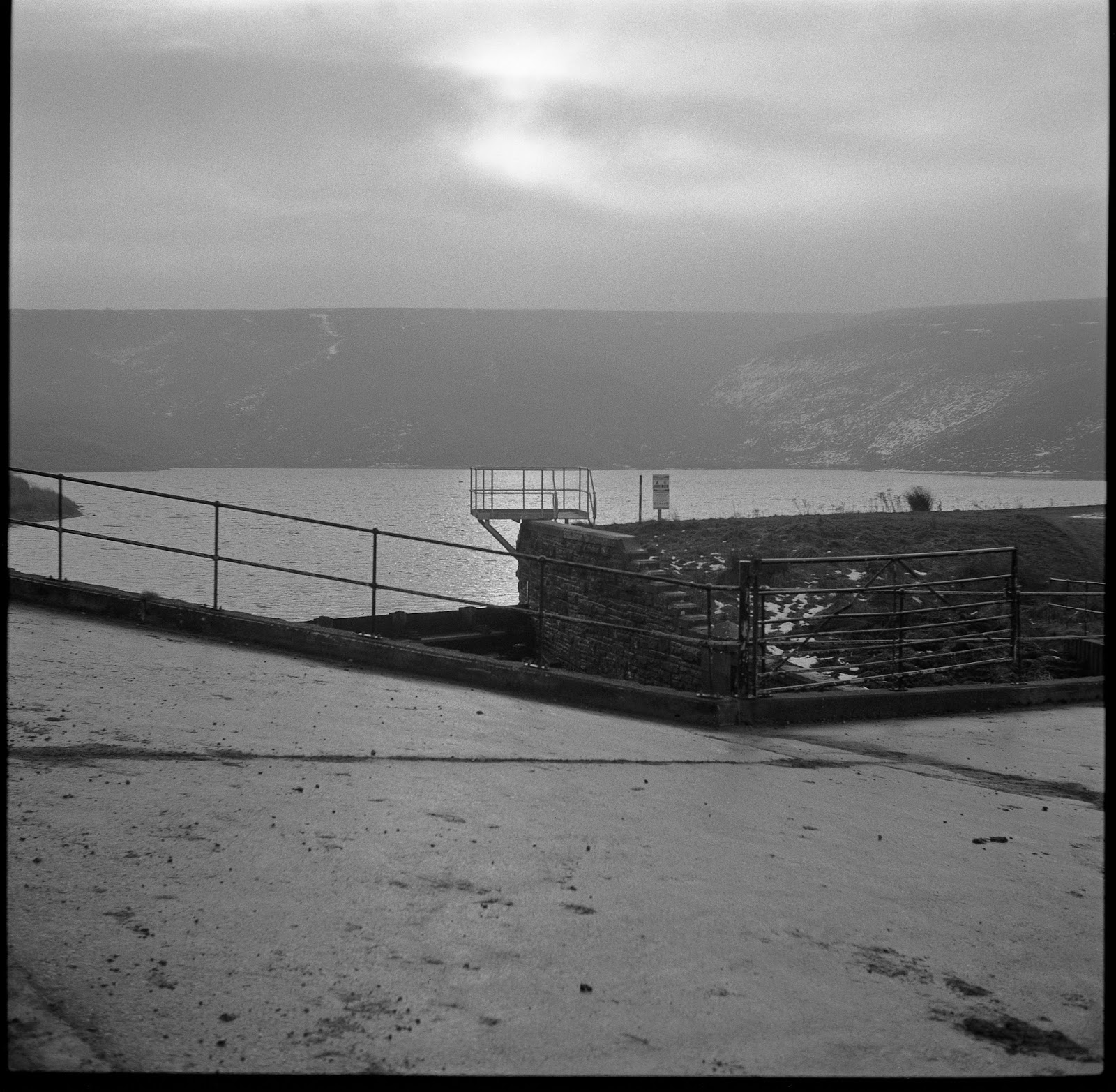
Not for Drinking

Catch up time. More from the slop bucket of Poundland* film to follow soon.
*RIP Poundland Agfa Vista 200. We shall not see your like again. Nature's cheapest film went south last summer, and a replacement is unlikely. A last hurrah for consumer film before it's re-imagined as boutique commodity. I'm down to my last 50 rolls. Point. And shoot.
Tuesday, 13 September 2016
Way-on-High
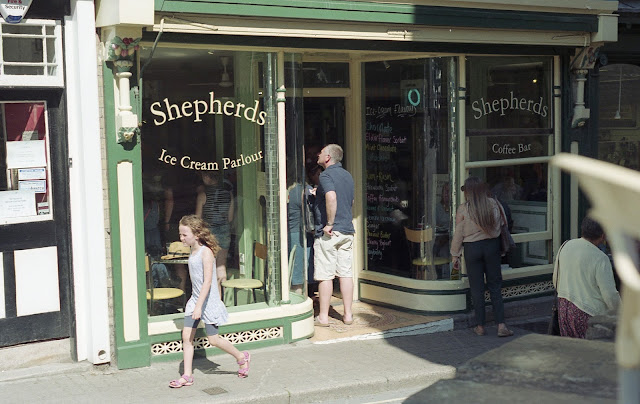
Hay on Wye is best known for its annual literary festival, but it's an interesting town for a mooch at any time.




Holy High Points
One of the ways the CofE has raised cash in recent years is to permit public access to its church towers. While this shows a commendable spirit of enterprise, and is an invitation I find impossible to resist, one can't help wondering about the wisdom of the enterprise. Steps are often dusty and broken, handrails non-existent and the only illumination is a head torch - if you remember to pick one up. Walberswick even had a vertical ladder to access the tower. It's a bit like a 1950s health and safety regime, and all the better for it, but the risk assessment must have been written on the back of an envelope, or the church commissioners have friends in, erm, high places.
View from the top of St. Nicholas Church tower, Blakeney, Norfolk.


St Andrew's Church tower, Walberswick, Suffolk

View from Walberswick church tower


It was in these ruins that George Orwell - not a man one would normally associate with the supernatural - claimed to have seen a ghost.
View from the top of St. Nicholas Church tower, Blakeney, Norfolk.


St Andrew's Church tower, Walberswick, Suffolk

View from Walberswick church tower


It was in these ruins that George Orwell - not a man one would normally associate with the supernatural - claimed to have seen a ghost.
WW2 relics
Stiffkey anti-aircraft gunnery camp, North Norfolk. Military relics aplenty. The place is currently a campsite, farm and boat repairer.


Sunday, 17 July 2016
Sunny Hunny
Hunstanton (pronounced "Hunstun" apparently) is that rare jewel, a west facing east coast resort. I arrived very early on a Sunday morning before most places were open, and had a good mooch round. It's a Victorian Gothic model seaside village, built in 1846 by a local landowner with the splendid moniker of Henry Styleman Le Strange.
Later sixties and seventies accretions dominate the seafront, but the centre is pure C19th English seaside. P G Wodehouse set his comic country retreats hereabouts, and characters are named after local villages.
The Golden Lion - formerly the Royal Hotel and more commonly Le Strange's Folly - looks over the sloping green and mini roundabout. The bin men are on an early round.

The Entertainment Centre marks the spot where a Victorian pier, complete with miniature railway stood. It suffered two fires in 1939 and the 1950s before the entire structure was swept away, along with a number of other English piers, in the storms of 1978. The new structure dates from early in the millennium.
The pier was the setting for the 1957 Ealing Movie "Barnacle Bill" starring Alec Guinness.

The war memorial and gardens overlook The Wash, beyond which the distant Lincolnshire coast can be seen. Seafront gardens evoke the shade of E M Forster, and unbridled passion among the geraniums.

A small children's playground. The rocking horse took me back half a century. The reproduction railings are unnecessarily robust, but the putting green cabin is delightful.

The Princess Theatre, previously the Capitol Cinema of 1932, is a splendid modernist-vernacular mix, boasting the largest Carr stone gable in the world. A poster suggests The Bachelors are playing and a Helen Millen film is in the offing.

Hunstanton town hall and tourist information centre.

The Tamworth Tea Rooms. John Betjeman would have appreciated them.

Hunstanton has the finest joke shop in the country, according to a chap who stopped me by the sea front. I wouldn't argue.


There's really no excuse for this kind of thing. A grim brick edifice totally out of keeping with the town.

Hunstanton is something of an anomaly in North Norfolk, a place mostly defined as genteel and elegant, with London second homers and quiet yachting harbours. I liked it very much in spite of its faded glamour and vulgar architecture, and would certainly return.
Later sixties and seventies accretions dominate the seafront, but the centre is pure C19th English seaside. P G Wodehouse set his comic country retreats hereabouts, and characters are named after local villages.
The Golden Lion - formerly the Royal Hotel and more commonly Le Strange's Folly - looks over the sloping green and mini roundabout. The bin men are on an early round.

The Entertainment Centre marks the spot where a Victorian pier, complete with miniature railway stood. It suffered two fires in 1939 and the 1950s before the entire structure was swept away, along with a number of other English piers, in the storms of 1978. The new structure dates from early in the millennium.
The pier was the setting for the 1957 Ealing Movie "Barnacle Bill" starring Alec Guinness.

The war memorial and gardens overlook The Wash, beyond which the distant Lincolnshire coast can be seen. Seafront gardens evoke the shade of E M Forster, and unbridled passion among the geraniums.

A small children's playground. The rocking horse took me back half a century. The reproduction railings are unnecessarily robust, but the putting green cabin is delightful.


Hunstanton town hall and tourist information centre.

The Tamworth Tea Rooms. John Betjeman would have appreciated them.

Hunstanton has the finest joke shop in the country, according to a chap who stopped me by the sea front. I wouldn't argue.


There's really no excuse for this kind of thing. A grim brick edifice totally out of keeping with the town.

Hunstanton is something of an anomaly in North Norfolk, a place mostly defined as genteel and elegant, with London second homers and quiet yachting harbours. I liked it very much in spite of its faded glamour and vulgar architecture, and would certainly return.
Fenland Road Houses
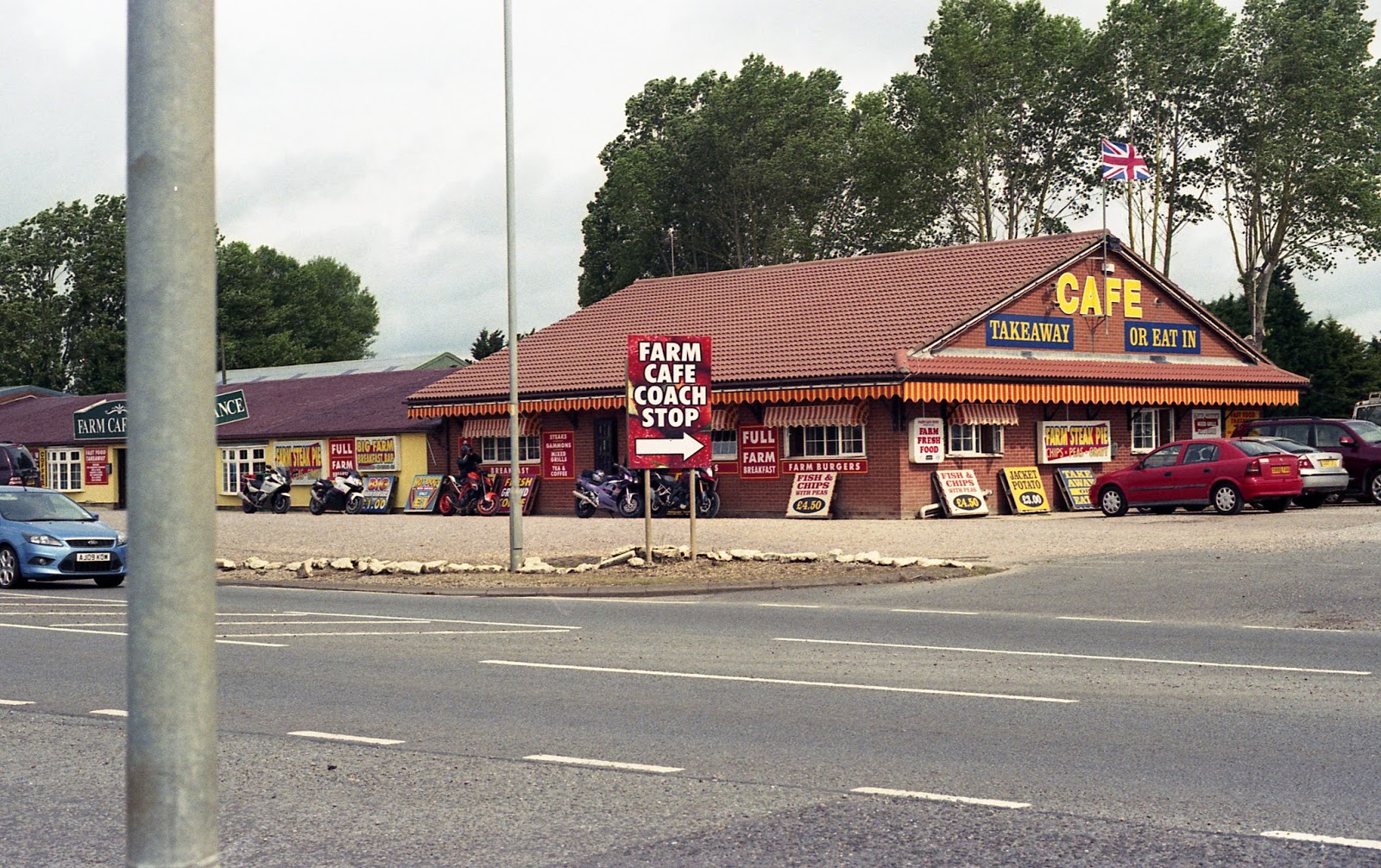
Lincolnshire and the Fens are one of the last remaining centres for the traditional road house, the transport cafes that give respite from miles of flat road and apparently featureless countryside. They've changed since the coach stops of my childhood, Nissen huts and plywood creations with an obligatory jukebox and solitary pinball machine, but the homespun spirit remains.
The area was a fighter and bomber frontline in WW2 and the Cold War. A Hawker Hunter sits in the car park by way of a reminder.

The signage has more in common with the United States than Eastern England.

Motel, coach stop, museum, collectables.

The empty quarter

Type face heaven (or hell)

Miniature windmill, tractors, hand painted cast off something. I once saw a German bomber gun port pressed into service as a greenhouse nearby.

It's possible to plot the expansion of this wayside café from the architecture.

The area was a fighter and bomber frontline in WW2 and the Cold War. A Hawker Hunter sits in the car park by way of a reminder.

The signage has more in common with the United States than Eastern England.
Motel, coach stop, museum, collectables.

The empty quarter

Type face heaven (or hell)

Miniature windmill, tractors, hand painted cast off something. I once saw a German bomber gun port pressed into service as a greenhouse nearby.

It's possible to plot the expansion of this wayside café from the architecture.

Subscribe to:
Posts (Atom)